


By Thomas Weston
Happy World Seabird Day today.
A blog to summarise some of the amazing seabird work we have been undertaking over the last couple of weeks and some of our findings related to this very special group of birds. Albeit these species face a range of concerns and problems related to a wide variety of causes, and with national populations for most seabirds in decline, places like Lundy are nationally and internationally important for the protection of our very fragile seabird populations. The blog therefore aims to highlight our eleven breeding seabird species on the island and showcase some of the Bird Observatory/Conservation Team’s work.
1) Manx Shearwater
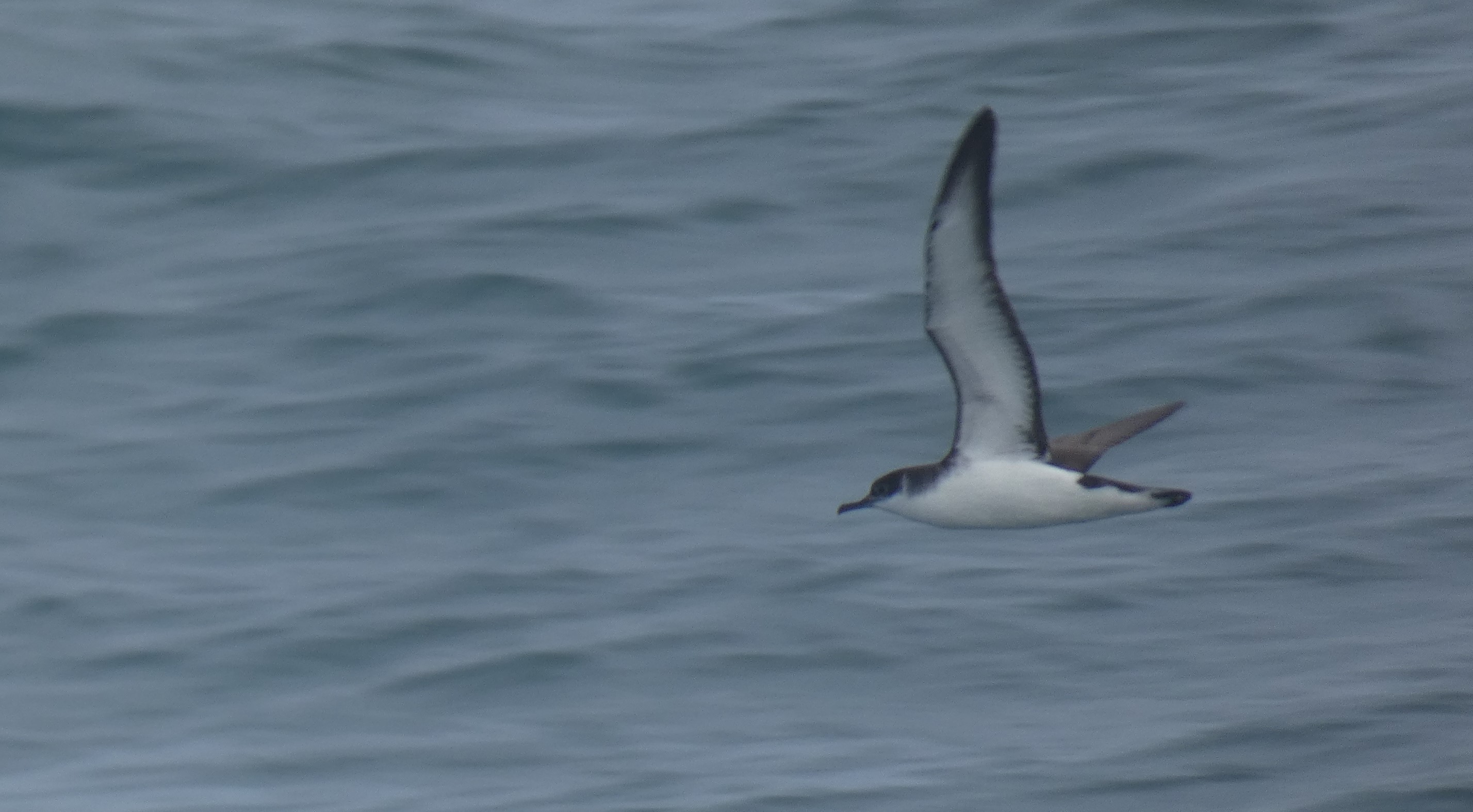 Manx Shearwater from the Oldenburg by Thomas Weston
To begin, our Manx Shearwater pairs have been happily hatching in our productivity nestboxes with the first chicks growing up quickly now and turning into some very fluffy little bundles of Manxie. This year is shaping up to be a good breeding season in the boxes, with only one bird failing at egg stage so far, which is far less than the norm. This week we have had a team from Oxnav here helping with some very exciting research. We have been helping to put GPS tags on some of our box birds and retrieving/replacing GLS tags that were attached to a small ring on several individuals last year. The results of these are already showing some amazing data with some birds sticking locally whilst others are foraging further afield. More on this when we can tell you more! In terms of ringing and numbers, the numbers returning to the colonies seem high this year with roughly 500 birds processed so far during ringing evenings. We have been lucky to catch a bird from the Channel Islands and recapture a bird ringed as a chick in 2009 too.
2) European Storm Petrel
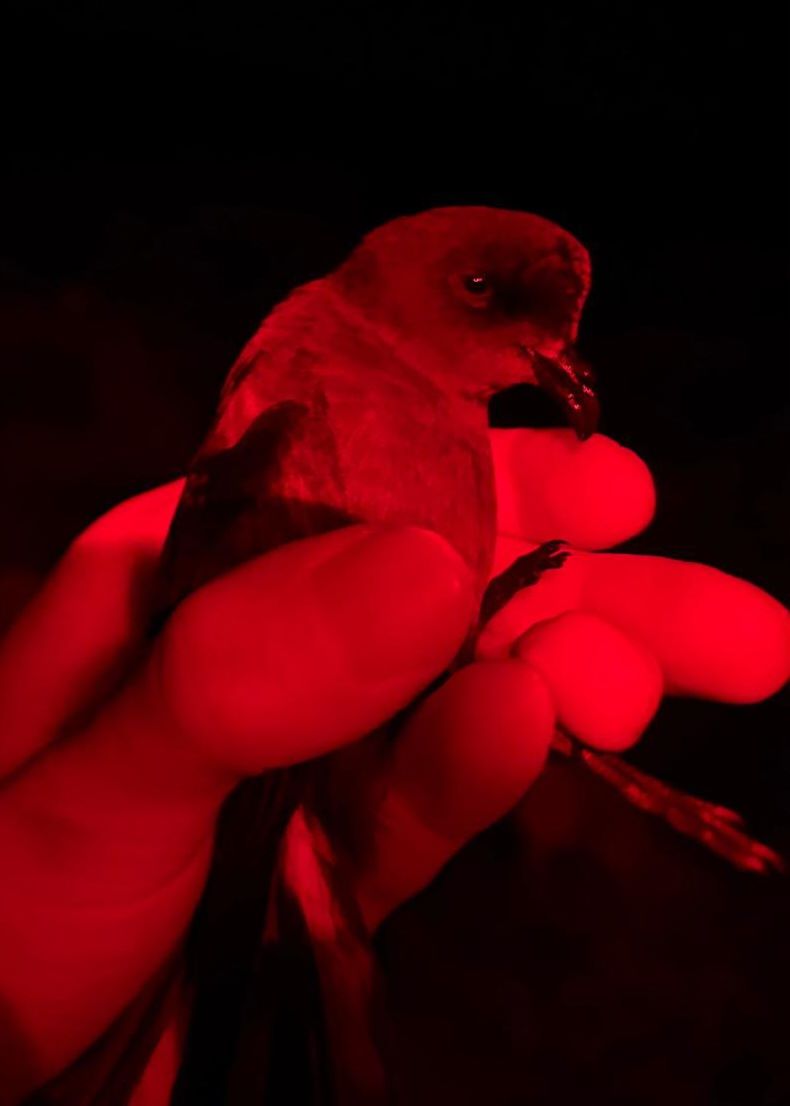 Storm Petrel session for the RAS period by Thomas Weston
The first session as part of our Retrapping Adult Survival (RAS) project was undertaken last week. This is when 50 birds were caught of which 36 were new to the project and 14 were retraps. The project aims to understand the survival of this species at this site, and to catch a sample of individuals to determine this from year to year. This was really great to undertake, and it was even better to receive a report that one of our birds from this session was recaptured at Strumble Head in Pembrokeshire just 6 days later. Amazing!! A session at another site also caught 50 birds of which 26 were new and 24 were retrap birds making an also 50% split between the two! Albeit we have not received any news of a Lundy ringed bird being caught elsewhere yet from this session, we had a bird bearing a Jersey ring which was exciting. More research will be undertaken by the RSPB this summer so keep an eye for what they find out when they are over!
3) Northern Fulmar
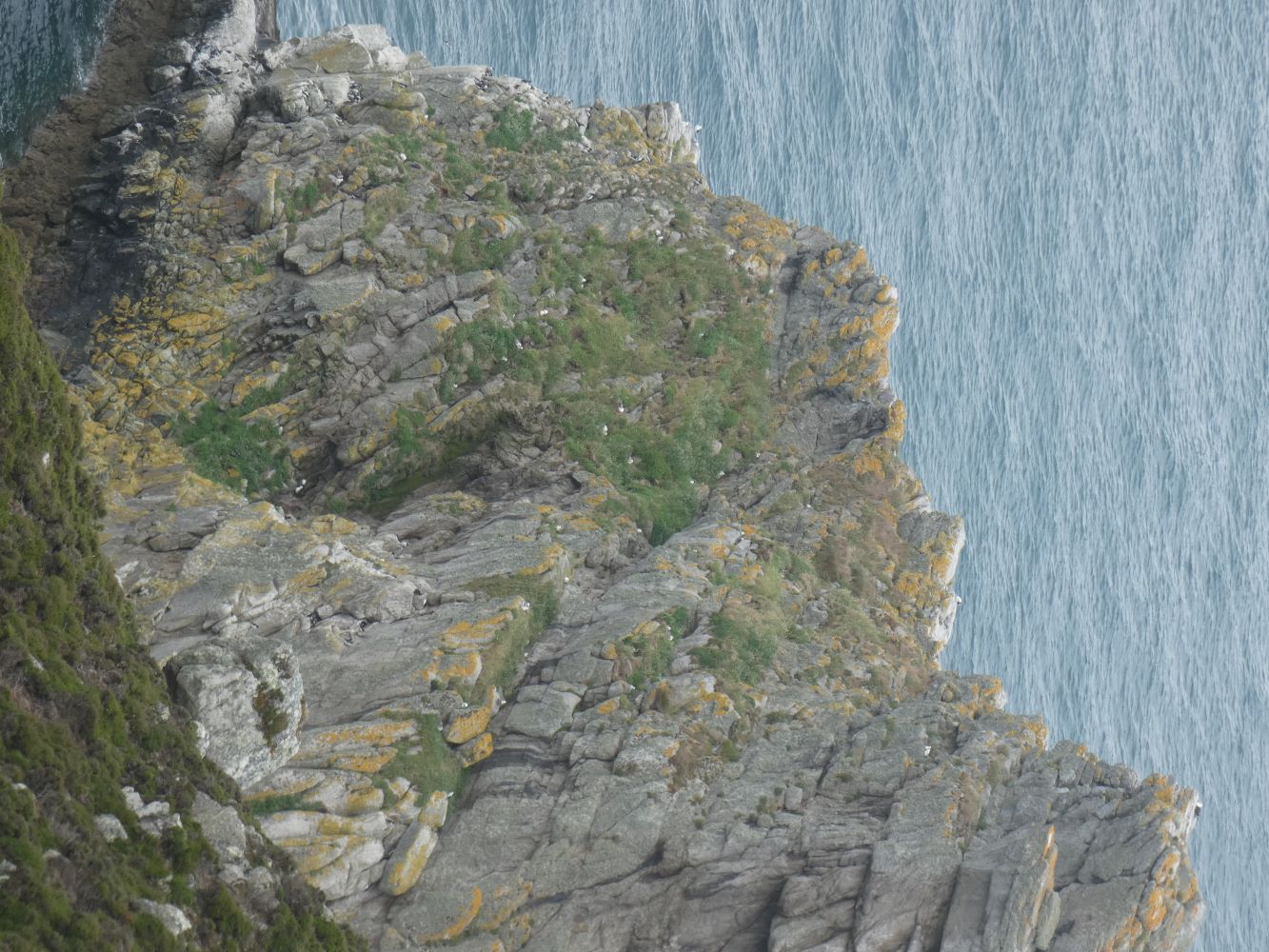 Fulmar on Gannets by Thomas Weston
A species we are genuinely concerned about on the island this year with fewer Apparently Occupied Nests (AON’s) recorded in Jenny’s Cove than usual during the Jenny’s Cove Seabird Survey last week. Numbers of AONs have seemingly dropped by 50% since 2023 in Jenny’s Cove and it is highly likely the lack of ability to fatten up and lay an egg before the adults return to breed is a leading cause. In a very apt scientific paper released recently, it showed that ¼ of the dead birds analysed in the study had plastic pollution within the bird. We are concerned. You never know, Lundy birds could be in serious condition based on the things they consume out at sea away from the island, even if their breeding grounds here are just the same as any other year. Our productivity site for this species will be able to determine breeding success for the year, and we hope that it is higher than normal to help combat some of the other issues this species currently faces.
4) Eurasian Shag
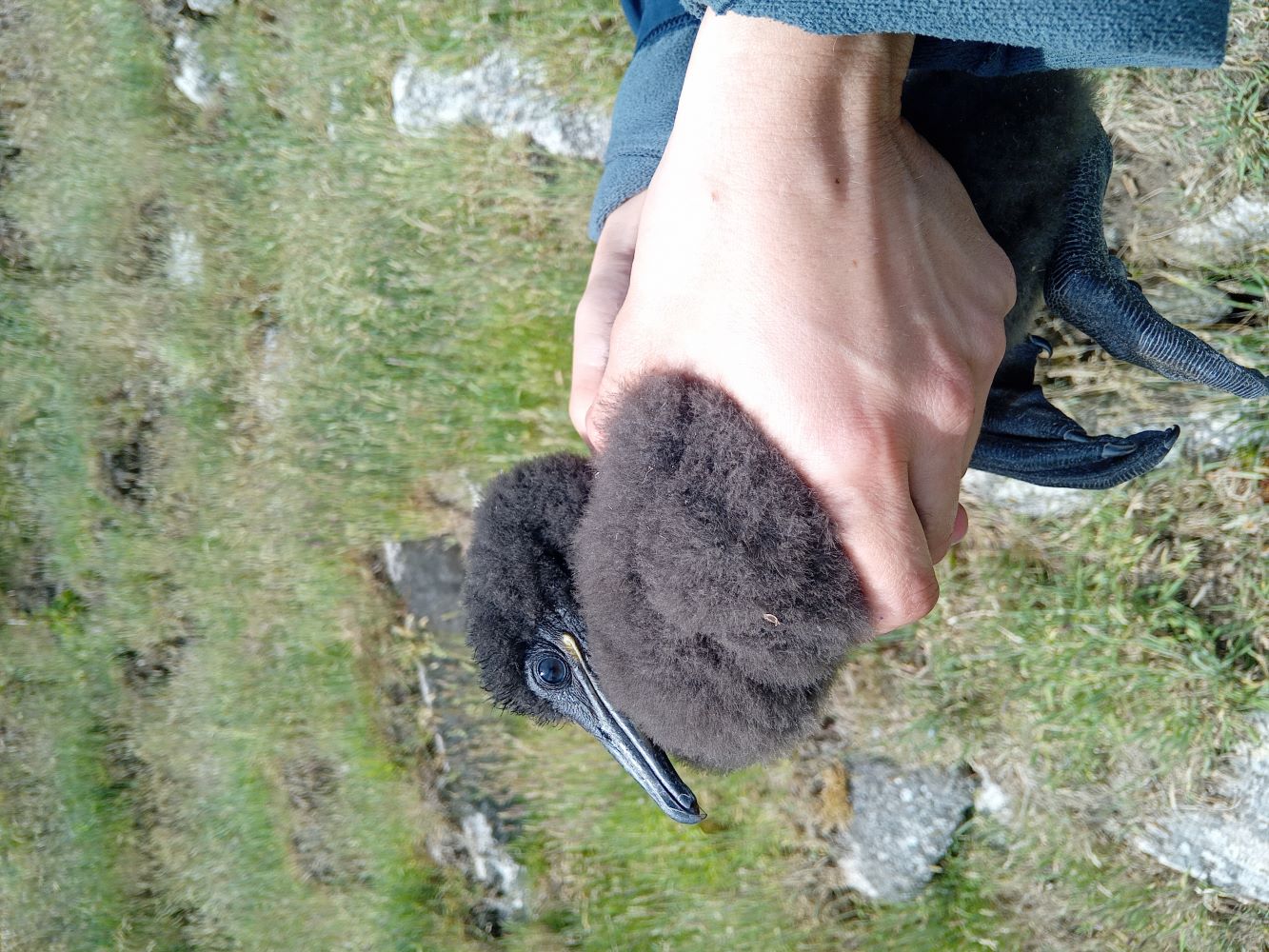 Shag colour ringing by Thomas Weston
A group of bird ringers aiming to understand the movements and lives of Lundy Shags have been over this week ringing and colour ringing as many chicks and adults as possible. Shags have never really been studied on the island, but a pilot project last year shows that they are having a lower breeding success than last year with broods of 1-2 noted primarily. Even though brood sizes are reduced, there have been over 50 chicks ringed this week which is great (80+ last year). The idea is that birds will be resighted in the wintering areas, away from Lundy, and then members of the public and staff can resight birds in the coming years when they return on island.
5) Atlantic Puffin
 Puffin in the Productivity Site by Thomas Weston
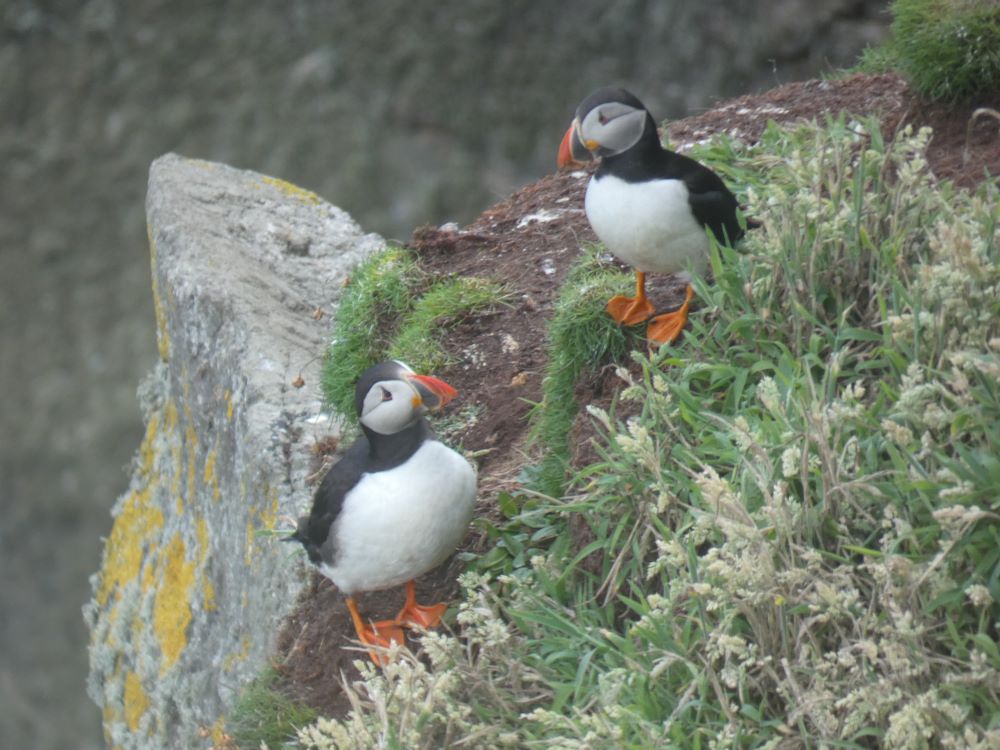
Winter storms around the Bay of Biscay and off the coast of Portugal/Spain last year made headlines for their extreme nature and the frequency of the storms. In this period many thousands of Puffins were found washed up on the beaches where they were dead or dying. As a result, early warning signs in the start of Spring saw lower numbers return to the island than we were hoping. For context, the count last year was about 1350 birds, though this year our peak count has been just under 500 - a dramatic drop. To quantify this decline from last year, we undertook a Jenny’s Cove Seabird Survey where we used the Seabird Monitoring Survey vantage points to count and record any seabirds within the cove. The counts identified that we had roughly 330 Puffins in the cove this year. Unfortunately, you will have to go back before 2023 to get to a similar count. However, in positive news, according to our Productivity Site data collected by our seabird volunteer Emma, it looks like they are having a good breeding year so far and we hope that the population will bounce back with time. It looks like it could just be a blip this year and by next it will be a different story. Moreover, in even more exciting news, the Shag team caught and ringed a puffling in a Shag colony. The bird was fitted with a ring, and it is even more extraordinary as we believe it to be the first ever Puffling ringed on the island! Despite the initial Bird Observatory ringing a few birds in the 70’s and 80’s, this was a time when numbers were declining rapidly due to rats on the island and it was presumed these birds were adults being caught as they returned to the remaining colonies. How times have changed!
6) Guillemot
 Guillemot by Thomas Weston
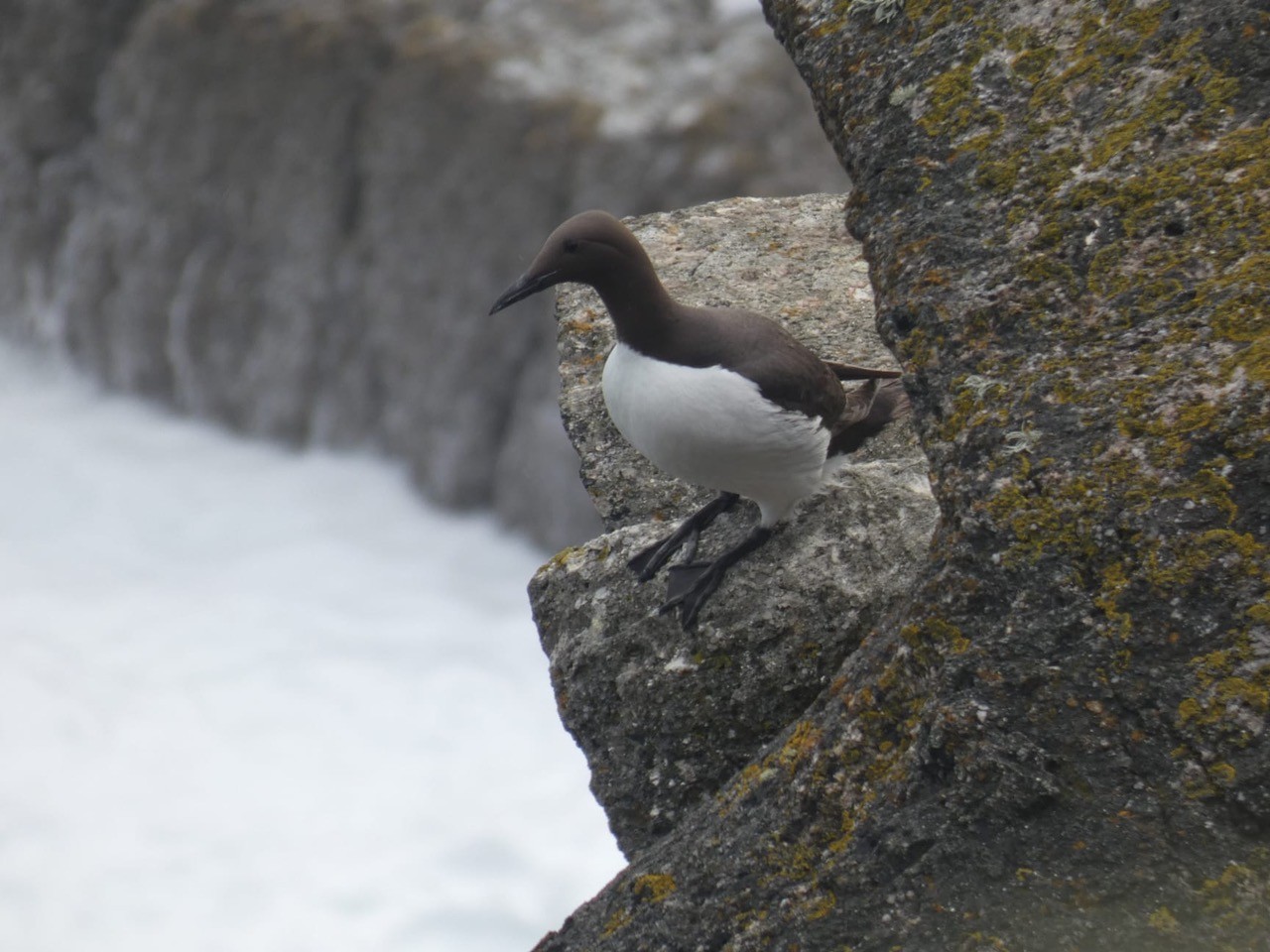
A slightly lower number of Guillemots have arrived back to the island this year with about 1000 fewer birds in Jenny’s Cove than expected. However, things are looking positive for them, with the first ‘fledged’ jumplings making the big leap of faith on the 21st June this year and continuing to do so up to the time of writing. A beautiful but eerie sound as they high pitch call to their father who will show them how to be a true Guillemot. It is now the work of the female to maintain the territory for a little while, though it won’t be long before she too heads off from the colony for the autumn/winter, so by the end of next week it may be a lot quieter on the cliffs. Our productivity site data shows a positive year for breeding, but we will have to do some number crunching before we can determine anything – a few have been ringed this week by the Shag team.
7) Razorbills
 Razorbill by Thomas Weston
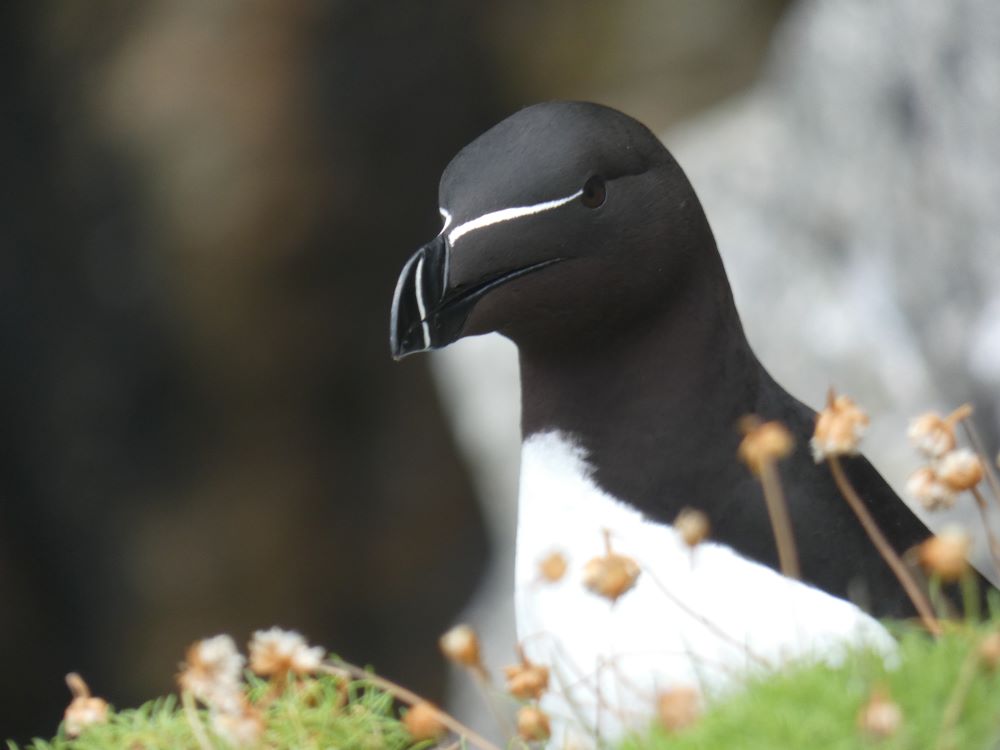
A charismatic bird with a lot of style, attitude and some sleek plumage too. The Razorbill is seemingly having a good breeding season this year with plenty of chicks hiding in the boulders with a few being ringed by the Shag team this week. It is amazing to observe this species around the island. At the start of the season there was seemingly a high return of this species, and this was seen in the Jenny’s Cove count whereby, albeit a drop of about 200 birds compared to the 2024 data, it was not a disastrously low number. Without any productivity sites for this species on the island, it is hard to give a number for breeding success, though it does seem high this year.
8) Black legged Kittiwake
 Kittiwake from the Oldenburg by Thomas Weston
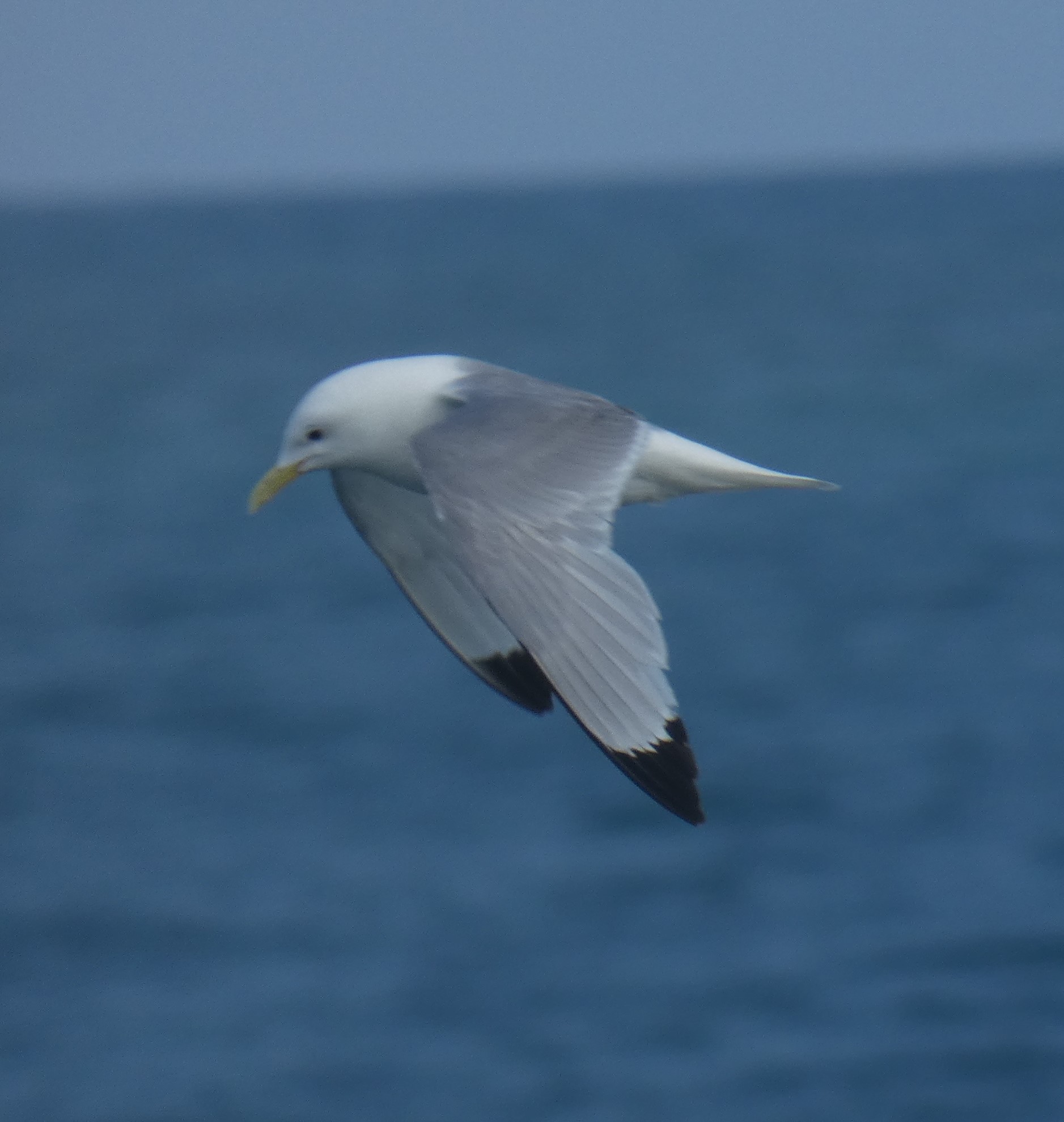
The Kittiwake is the only small gull species that breeds on the island. However, their fortunes have historically been mixed with declines from colonies in the north and an increase in the west. This year, our Jenny’s Cove Count saw a decrease of 40 nests in the cove however, there were still a healthy number of Apparently Occupied Nests (AON’s) and over 350 birds present which was incredible to see and hear. Our productivity sites on the island show the birds are developing well, with many chicks growing daily and it won’t be long before the first birds start to fledge in the coming weeks. The species is very charismatic and very special.
9) Lesser Black Backed Gulls
A species we are in serious concern about to be honest. The recent RSPB Large Gull Survey found a drop in numbers of Apparently Occupied Nests (AONs) from the last survey, and it seems from observational data that breeding success has been extremely low. For example, in a colony of about 30 pairs, we have only seen one chick! This is awful, and it is looking like the population will continue to decrease until we cease to have any breeding birds – but what can we do! We continue to monitor the species, and we have a large gull colour ringing project on the island, but without any chicks we have not been able to colour ring any chicks this year. We have not even seen any fledged birds, so it is not like we are missing birds on our travels.
10) Herring Gulls
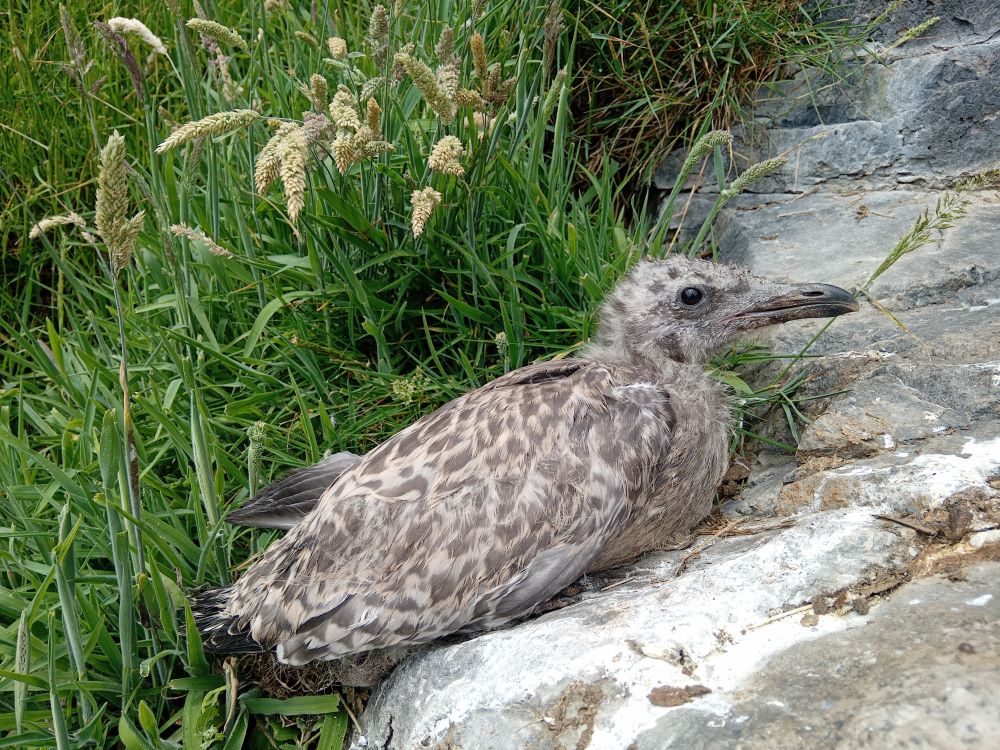 Herring Gull chick near Gannets by Thomas Weston
In comparison, according to the numbers gained from the RSPB Large Gull survey, the Herring Gull is a species that seems rather stable on the island, though historically has declined to what is now a few scattered colonies. We presume this is a result of higher breeding success which is certainly better than the Lessers, however it is lower than we hope with colonies containing few chicks this year. However, on the Shag ringing trips, a total of 17 chicks have been ringed so far and it is always possible there will be some later ones too. We unfortunately have seen signs of cannibalism within the colony, as well as heat stress, a chick throwing up a blue plastic glove, some very late eggs and many failed/empty nests which were almost certainly being used at the start of the spring season.
11) Great Black-Backed Gull
The final species of seabird that we can hype up as part of the National Seabird Day. It is a species who can consume a variety of preys and is seemingly doing okay this year – albeit not many chicks in the ‘usual areas’ it seems as though there were many individuals showing signs of nesting at the start of the year. We hope that there are a few chicks wandering around and that we start to see some fledged birds in the coming month – so far only one chick has been ringed on the island this week and it is in an area we know had at least two pairs so not great at all. With little to no recording of individuals at the usual communal roost site, we have not recorded any colour ringed birds using the island yet. We will have to get out and start looking more intensely for sure as the main majority of these birds tend to be from Skokholm in Wales so their red rings are quite obvious when they do arrive, and it is believed many of these birds will still be nesting and not quite fledged yet.
With Bird Observatory status, and a range of researchers coming to the island to help monitor and conserve our seabirds, we hope this article inspires more to come and experience such a magical island. Even from the Oldenburg you may see even more seabirds as you pass - Gannets, Terns and small gulls do not breed on the island, but we see varying numbera pass by from time to time.