





by Kirsty Cox
In a short break between weather hitting us from Storm Austen and Storm Boelo, there was an opportunity today for the helicopters to run, so a Sunday unexpectedly became a travel day which meant I was on Housekeeping.
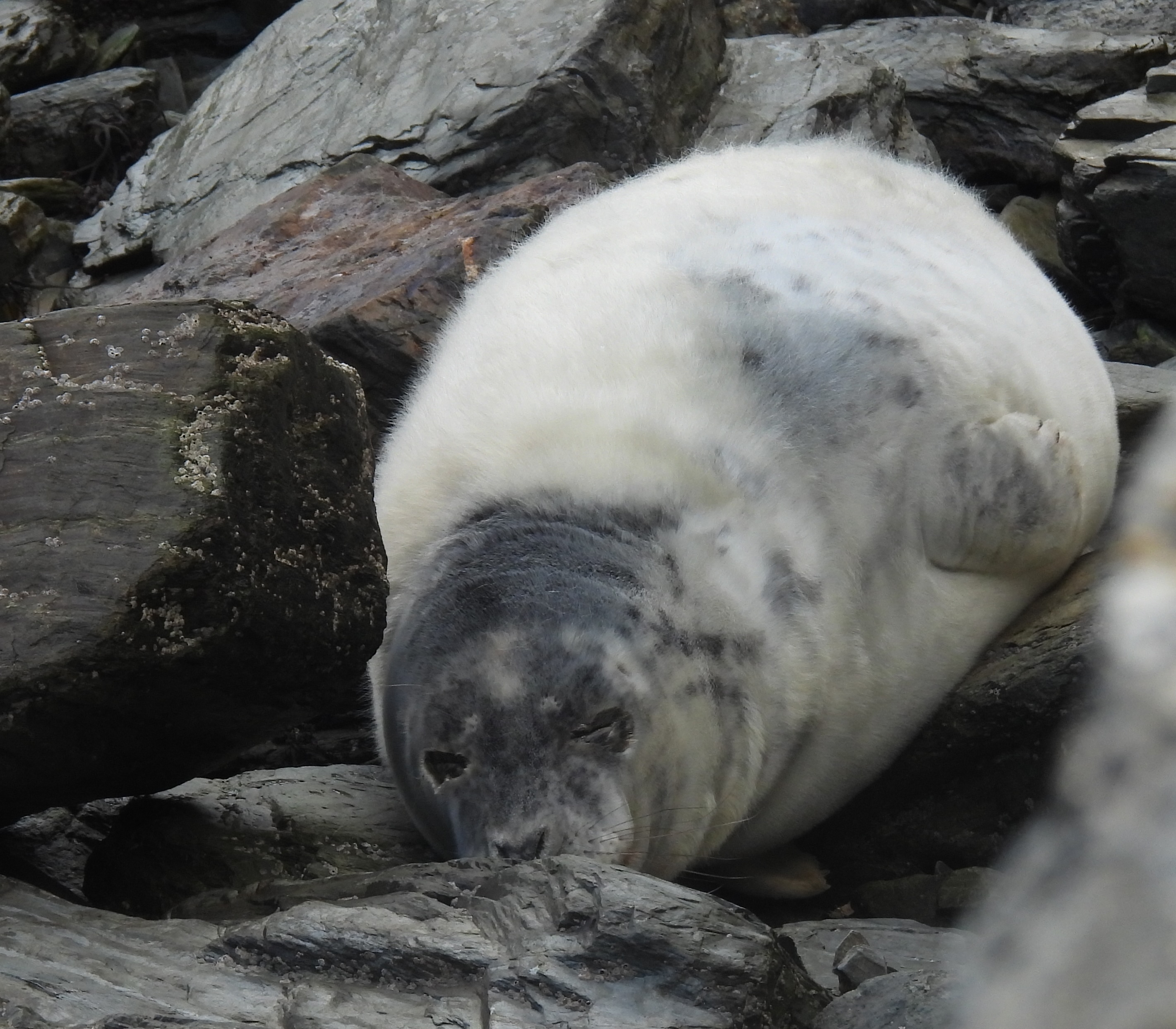
But first thing, making the most of the window of calmer weather, I was able to get out and do a full pup check for the first time since the 22nd. Since then the winds have been too strong for me to get to all the check points. There were a number of seals hauled out during the check which was good to see following the stormy seas. Sadly there was no sign today of the smaller pups who are still around but there was a weaned and moulted pup on Quarry Beach and another in the Landing Bay.
Back at the office, there was time for toast before heading out with the Housekeeping Team. There were ten properties in total to clean across the island ranging from Tibbetts in the north to Castles in the south. It was so windy that we had to coordinate getting out of the Land Rover without getting blown away, especially when we were up at Old Light!
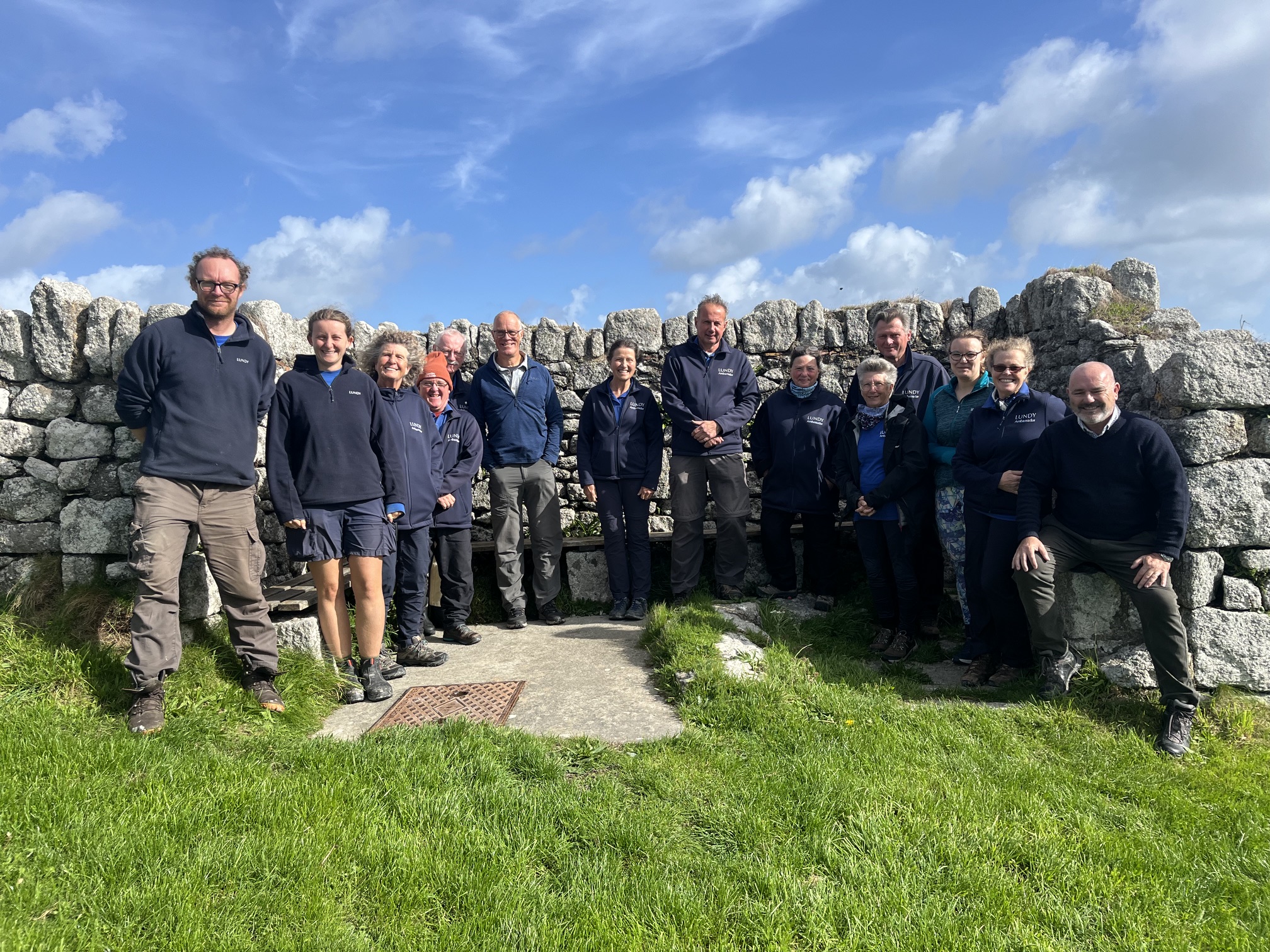
However the main event of the day was at lunchtime when we made a trip back to the village to say goodbye to Emma. As she boarded the helicopter the staff were all there to wave her off and Cornelius, the helicopter pilot, even treated her to a fly by over the island! Emma arrived on Lundy on the 31st March and spent the first months she was here working as the Seabird Fieldworker and then stayed on when the seabirds left to take on the role of Volunteer Assistant Ranger. She has been a core member of the Conservation Team this season and will be much missed. We wish her all the best for all her future endeavours! 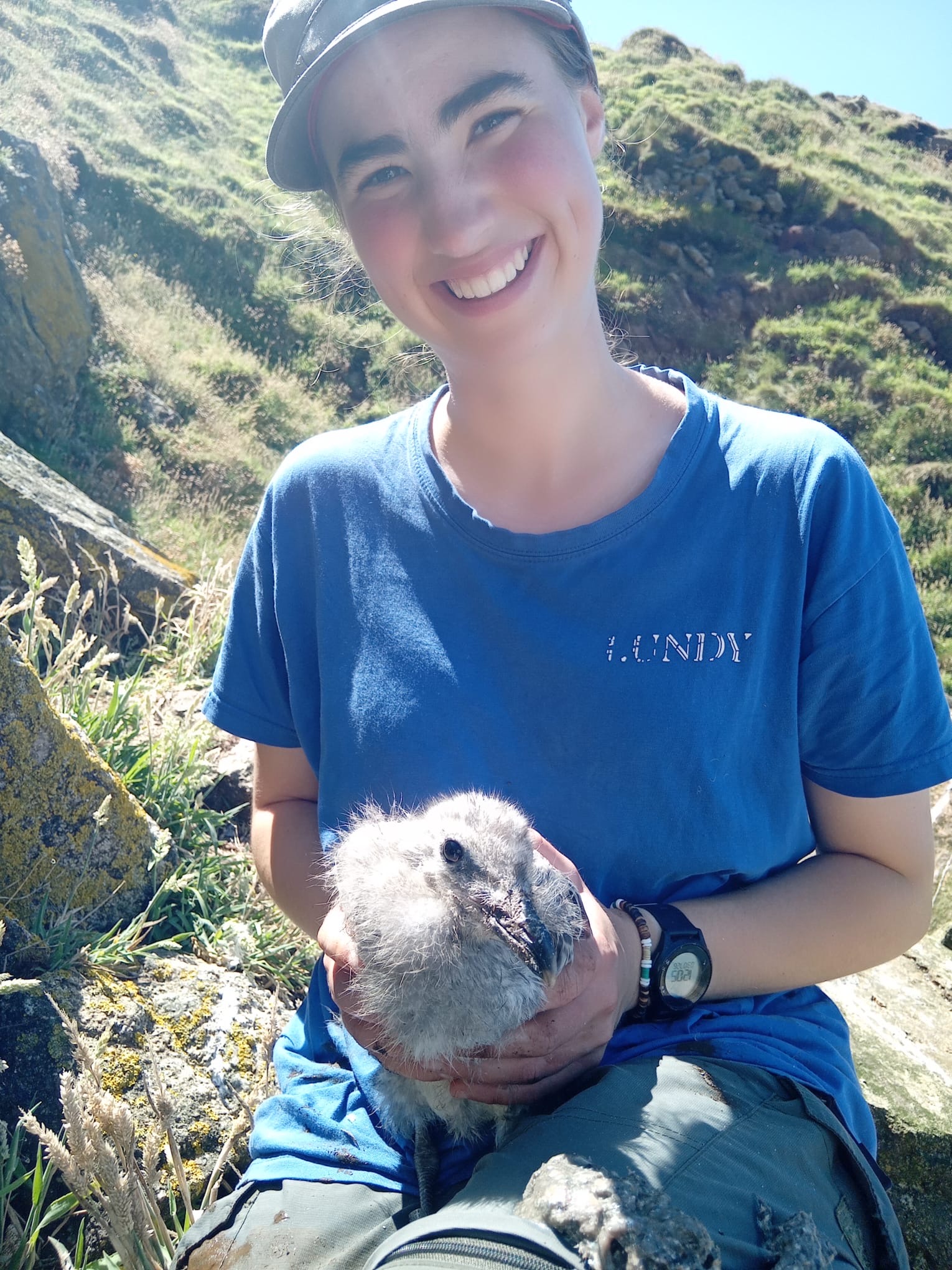 Emma Abel and Manxie Chick!
by Greg Lee
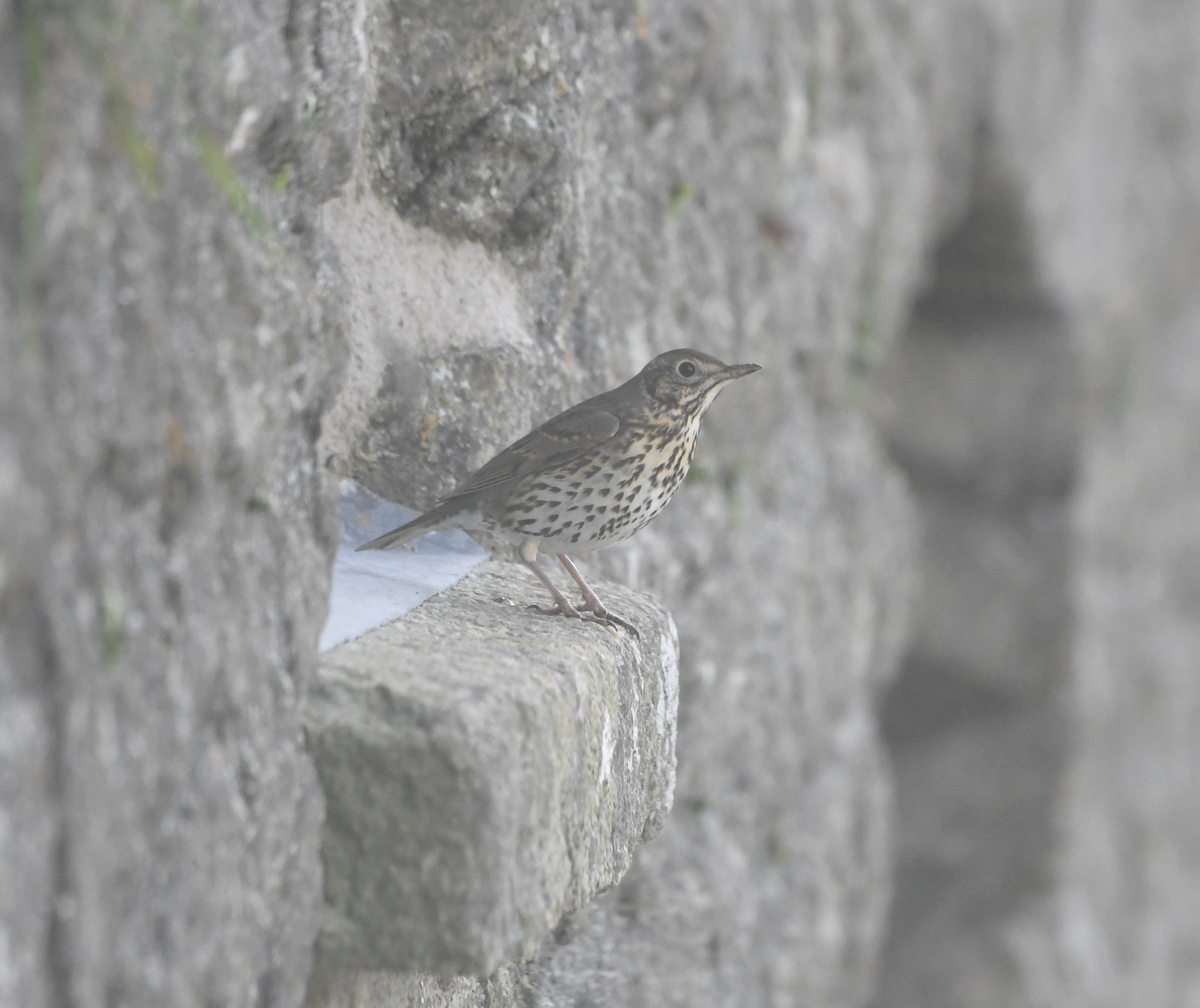
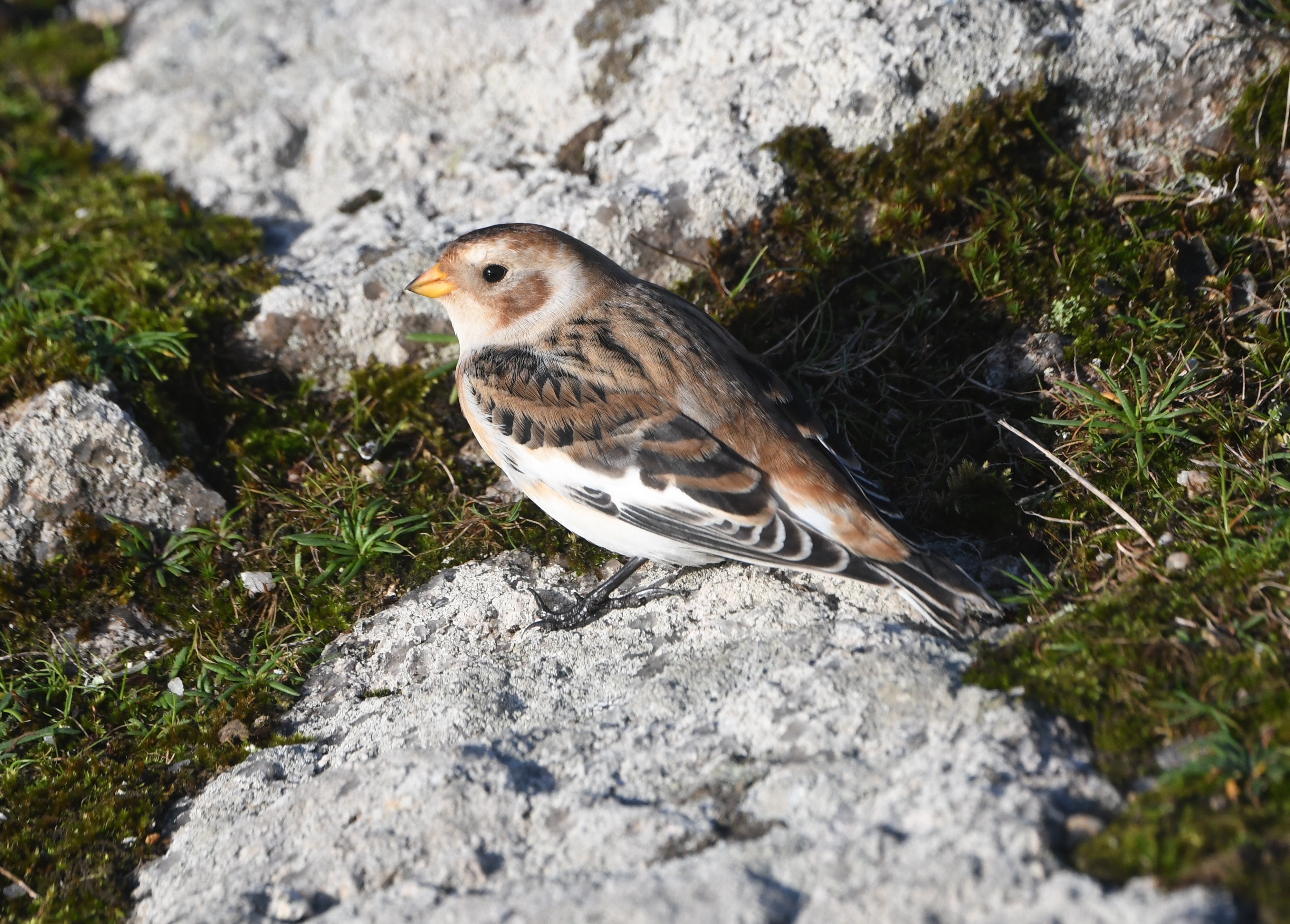
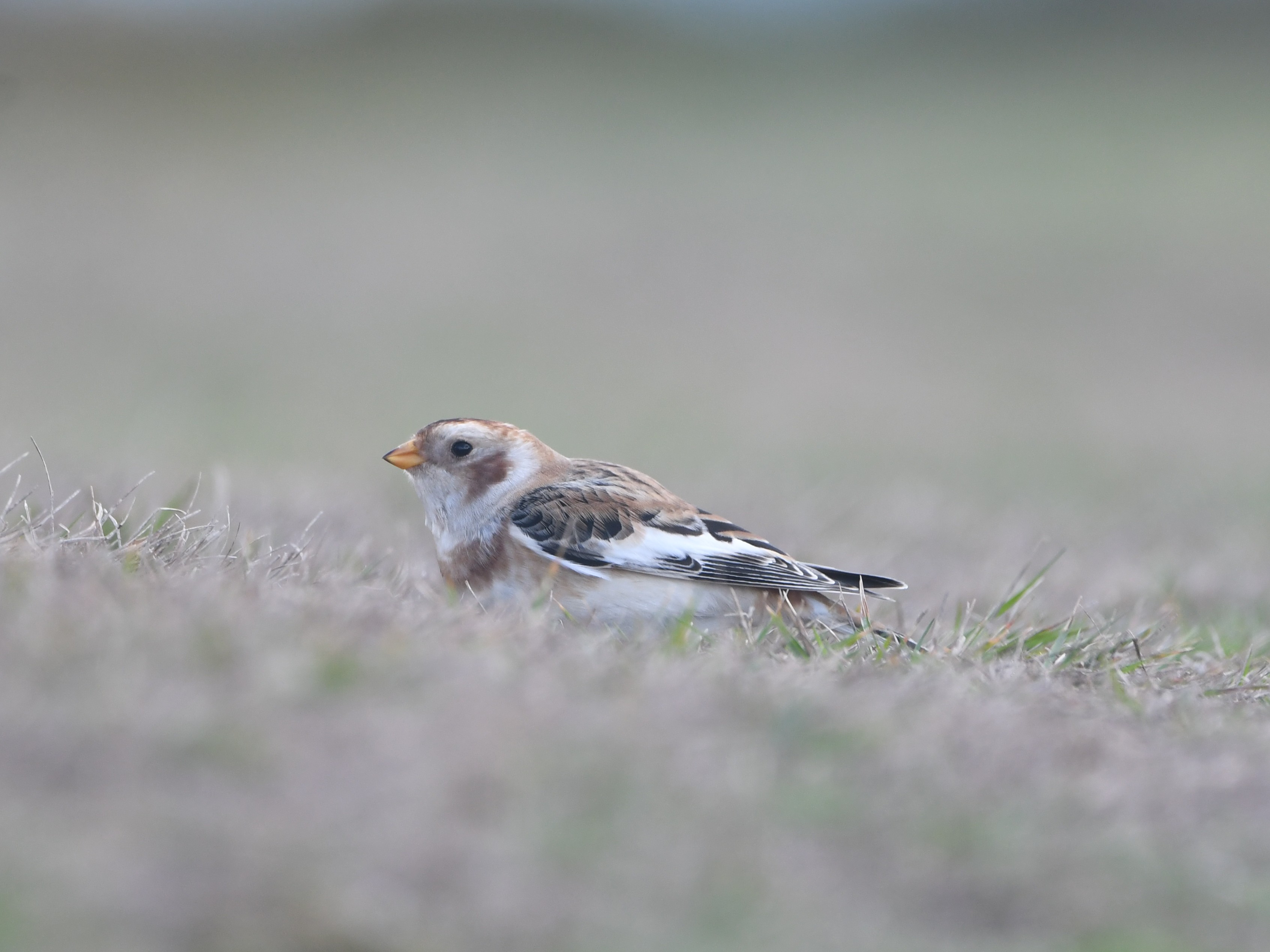
As the unsettled weather approaches, it was quite surprise to get out for census this morning and find that the weather was somewhat a bit better than expected with a nice amount of sunshine and the wind, although very much present, not as strong as maybe anticipated. With the approaching Atlantic storms, it was expected that for some migrants, it was a bit of a last chance saloon to get moving before being held up by the combined efforts of Storm Austen and Storm Boelo (which I learnt was pronounced Boo-low). With that in mind, the expected flavour of the day was a bit of Chaffinch movement and although some flocks were in Millcombe, it wasn't quite as pronounced as hoped. Millcombe itself held relatively the same array of species with Chiffchaffs, Robins, Goldcrests and Blackcaps all present and just a few winter thrushes, which have been dwindling in numbers slowly since the extraordinary events of the 18th. Over at Rocket Pole, I was pleased to hear a Snow Bunting overhead, expecting it was our familiar bird but was surprised to cut across South-west Field to Old Light and come across two feeding on the grass with a third over Old Light. My usual experience of Snow Buntings is coming across small numbers shuffling on the flat shingle and sandy beaches of the East Coast (North Norfolk, Sandwich Bay etc.) Although I do remember when I was at Spurn in November 2021, seeing a flock of up to 30 individuals all on the breach connecting the long, sandy penisula to the Warren and the rest of the Spurn Recording Area. Therefore, seeing them here on the island feels bit novel to my past experiecnes.
With a bit of office work needing doing, I decided to get started since with the upcoming forecast there will be lots of time to get a hot drink and plug my way through some data-entry whilst the wind howls outside and the rain lashes down. Saturday is particularly looking like the perfect opportunity. The Tavern fireplace will be roaring!
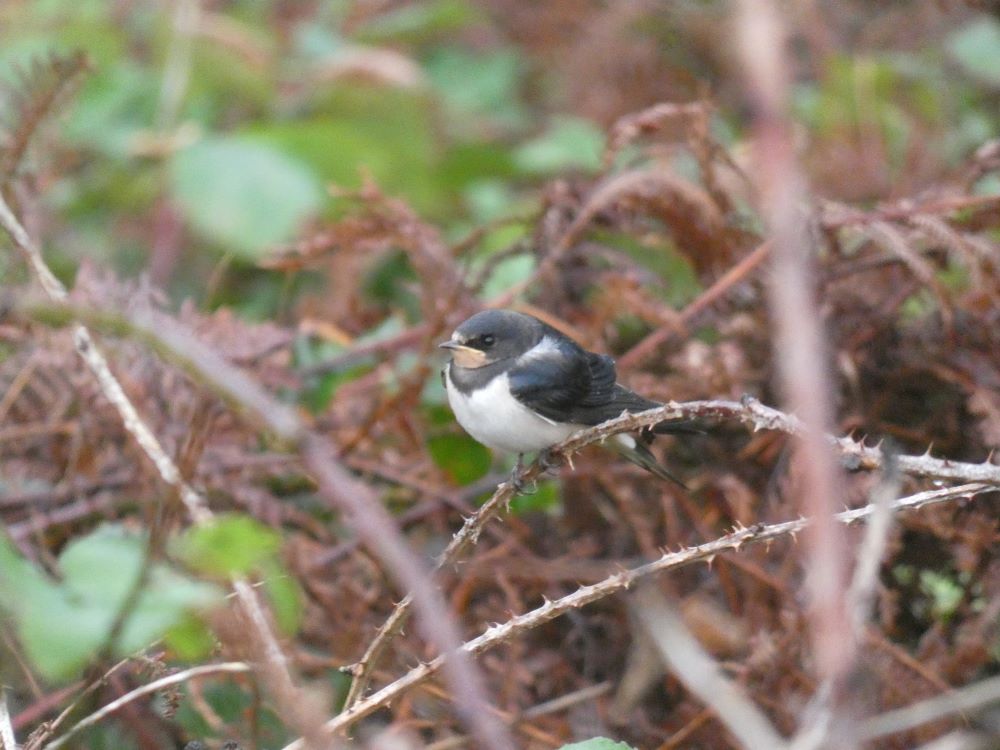
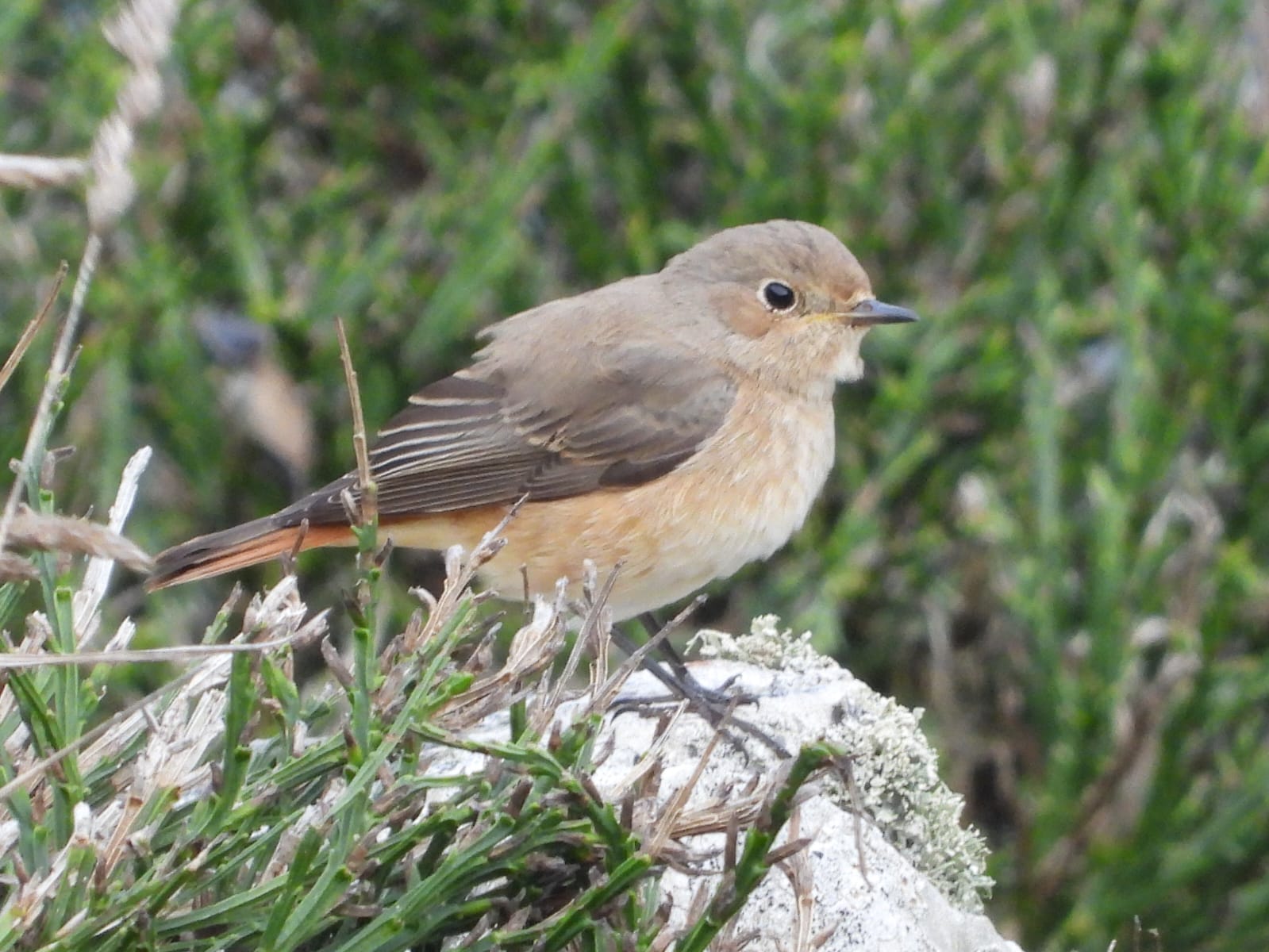
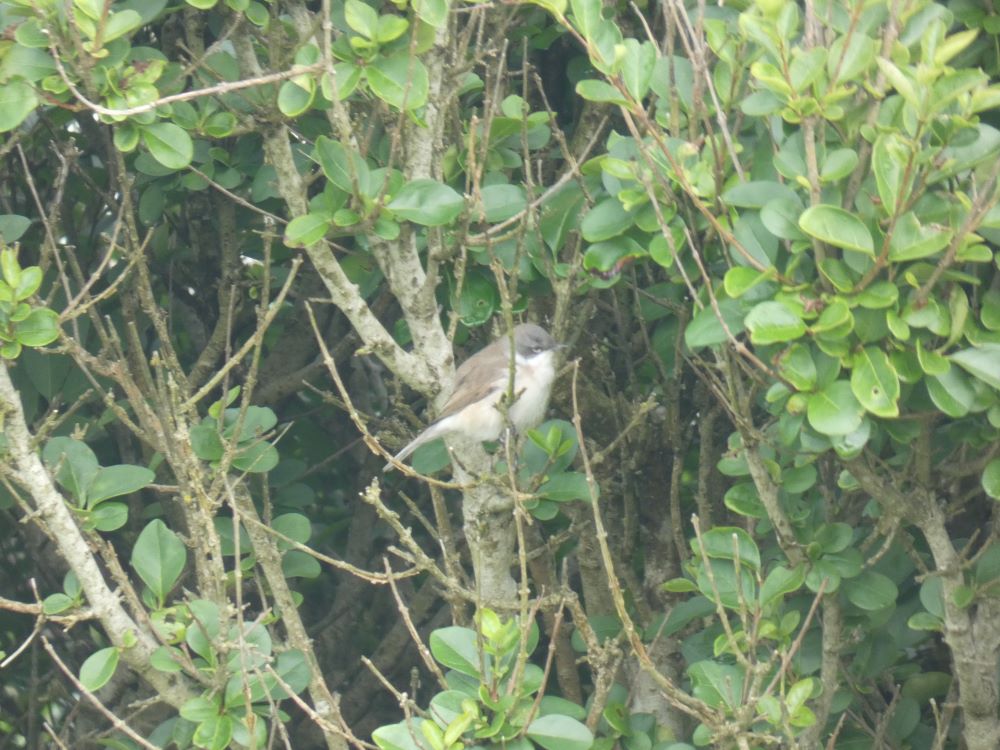
Other sightings across the area today included a Redpoll that couldn't decide which direction to fly (being seen in various locations on the East). This species has been quite absent so far this autumn here, likewise for Black Redstart, with a lone individual being spotted briefly at Old Light before disappearing. I always remember hearing a saying from a former Bird Observatory Warden that Black Redstarts can warp space and time and this individual seemed to be showcasing that ever-so-frequent ability to vanish into thin air. This is the first record since a female bird on 5th May, which was equally impressive in its ability to vanish, despite the fact that Emma and myself were watching the same patch of rocks from different vantage points. A Lapwing near Pondsbury was a nice sighting and was just by the main track heading out to Halfway Wall. With the East Coast getting a healthy number of eastbound migrants over the past week along with a few scarcities and even extreme rarities, it is nice to at least get something of eastern origin this way out west and the Lesser Whitethroat found by Adam Hobbs at the Terrace yesterday was performing quite nicely today for the visiting birders. Although a DNA sample would be needed to pin down the exact race, this bird looks very much like an Eastern, following on from the individual at Stoneycroft garden at the end of September. As the weather really deterioated with the approach of the storms, you couldn't help but feel very sorry for the few Swallows that were still sticking around the island. Let's hope they can find some shelter and roost peacefully.
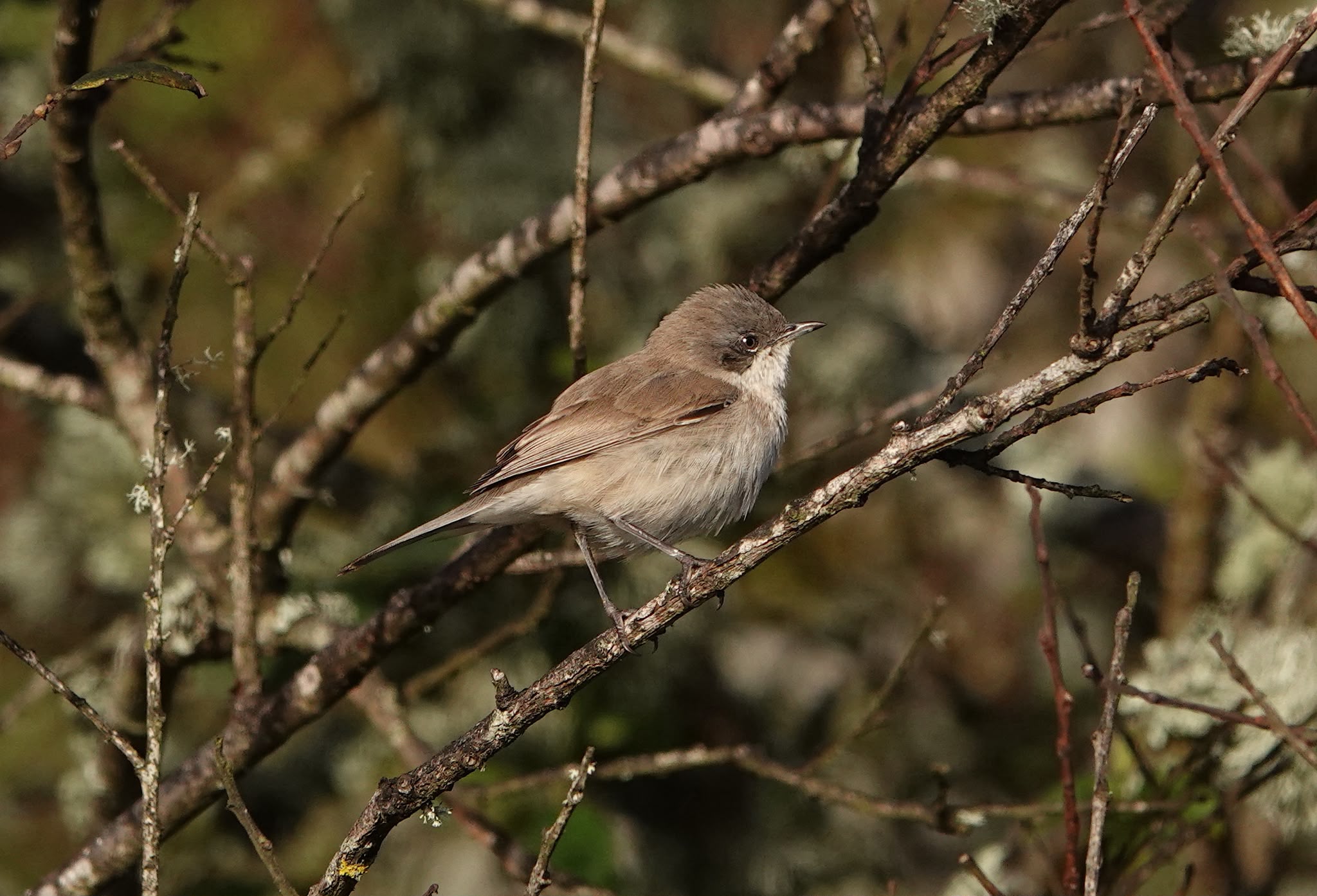 Eastern Lesser Whitethroat by T.Jones
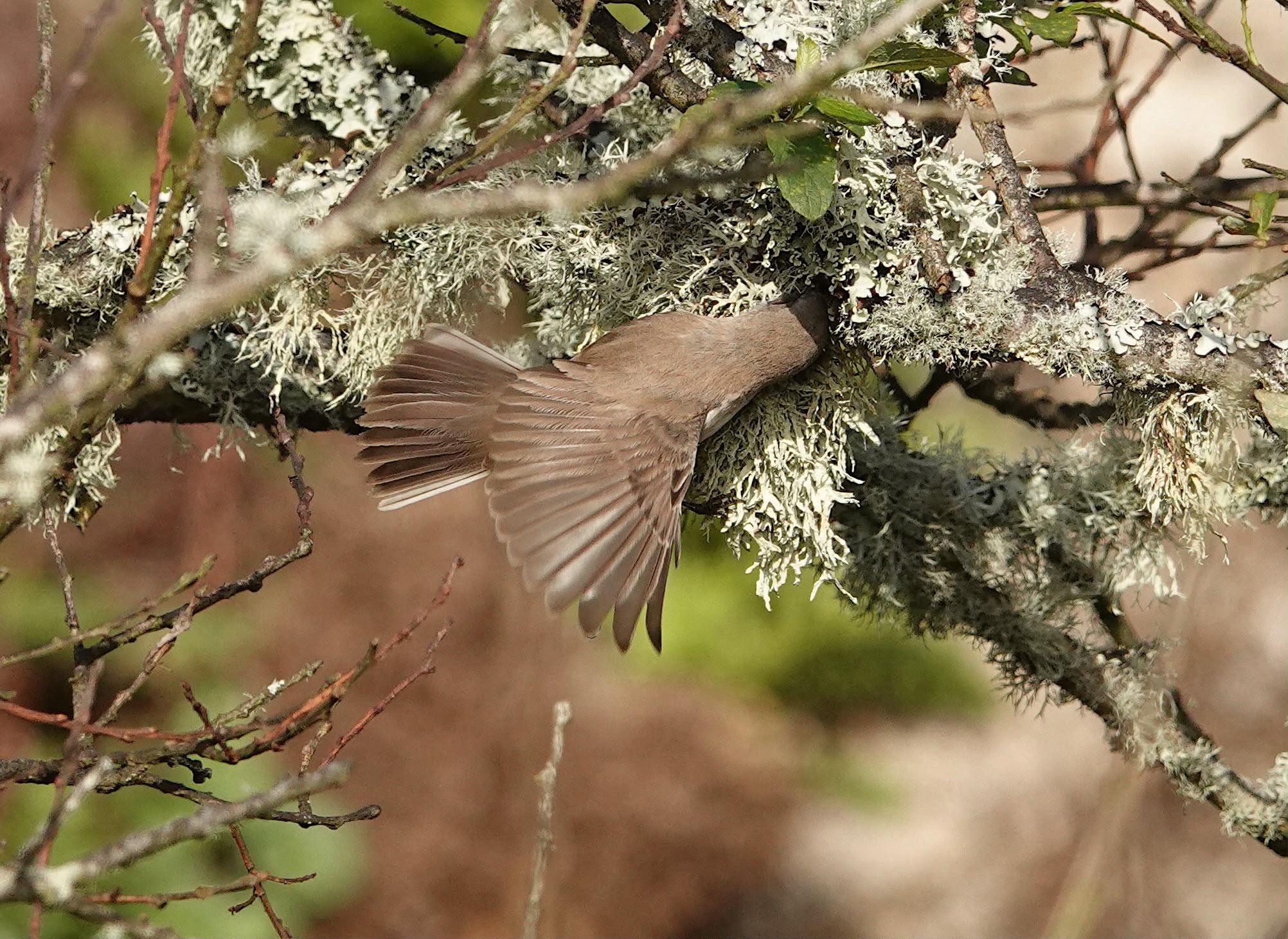 Eastern Lesser Whitethroat showing the tail-pattern by T.Jones
By Simon Parker
It's the pre amble before storm Austen, our first named storm of the season which is likely to land Friday. Wednesday saw gusts of 55mph overnight and the morning was up around 45, being a westerly the East was still fairly sheltered and the were a few birds bunkered down there. Chaffinch still in good numbers, Blackcap, Goldcrest, Woodpigeon were all keeping their heads down but still moving around the valley. A lone Woodcock was camped around the government house area.
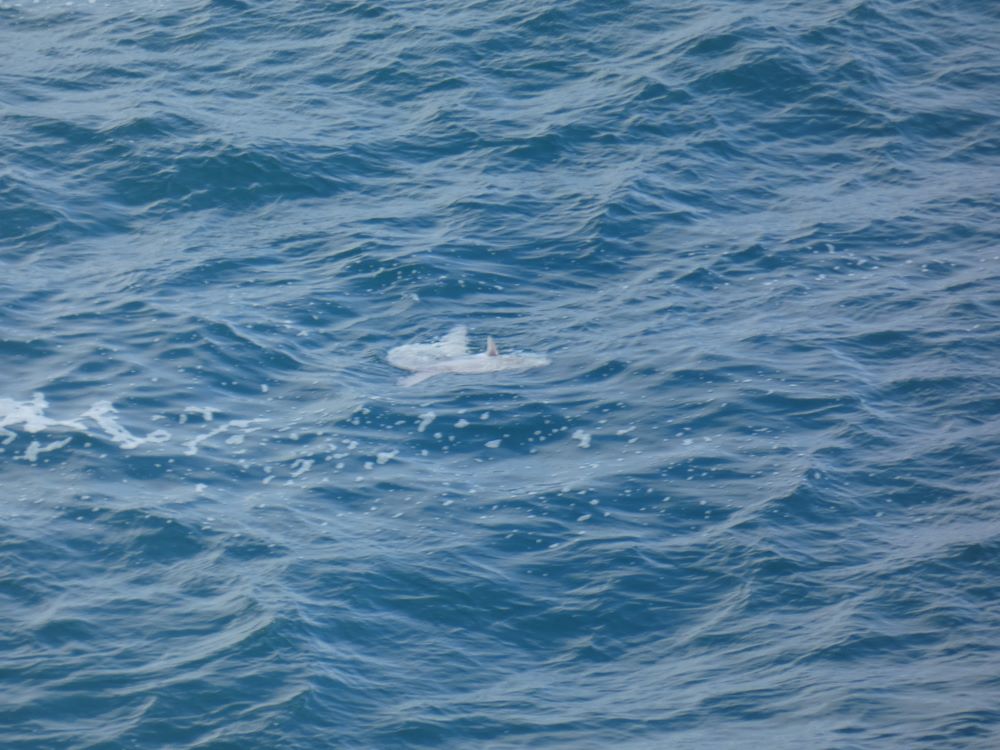
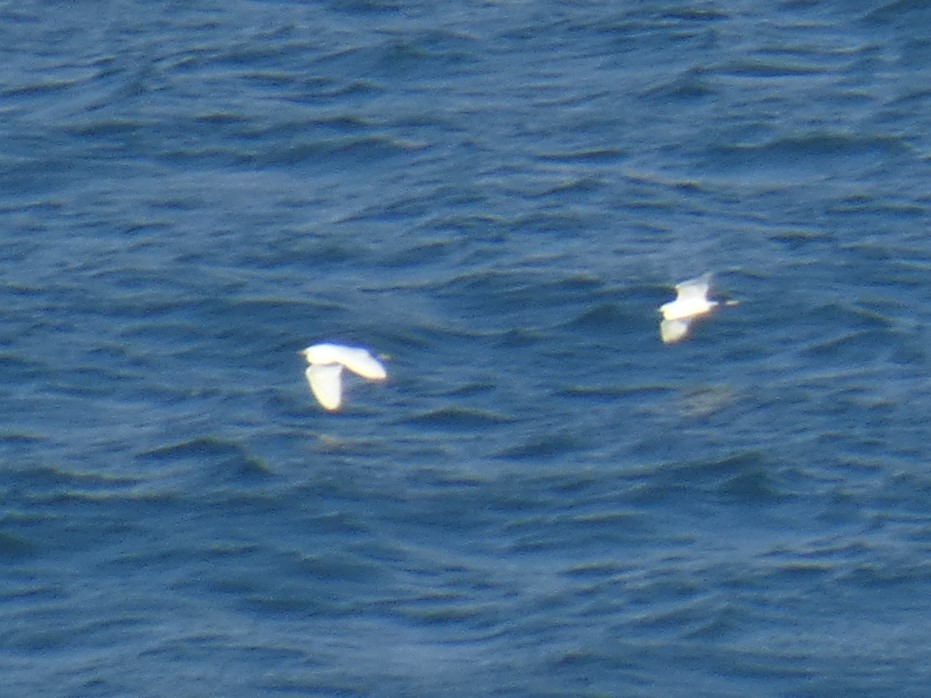
Out on the plateau, things became difficult as the wind shot across from the west. The sea watch team spotted a passage of birds moving South from Castles Manx Shearwater, Gannet, Kittiwake, Lesser Black Backed and a Mediterranean Gull. There was also another Tuna seen off the East coast adding to the various other sightings have been reported this week.
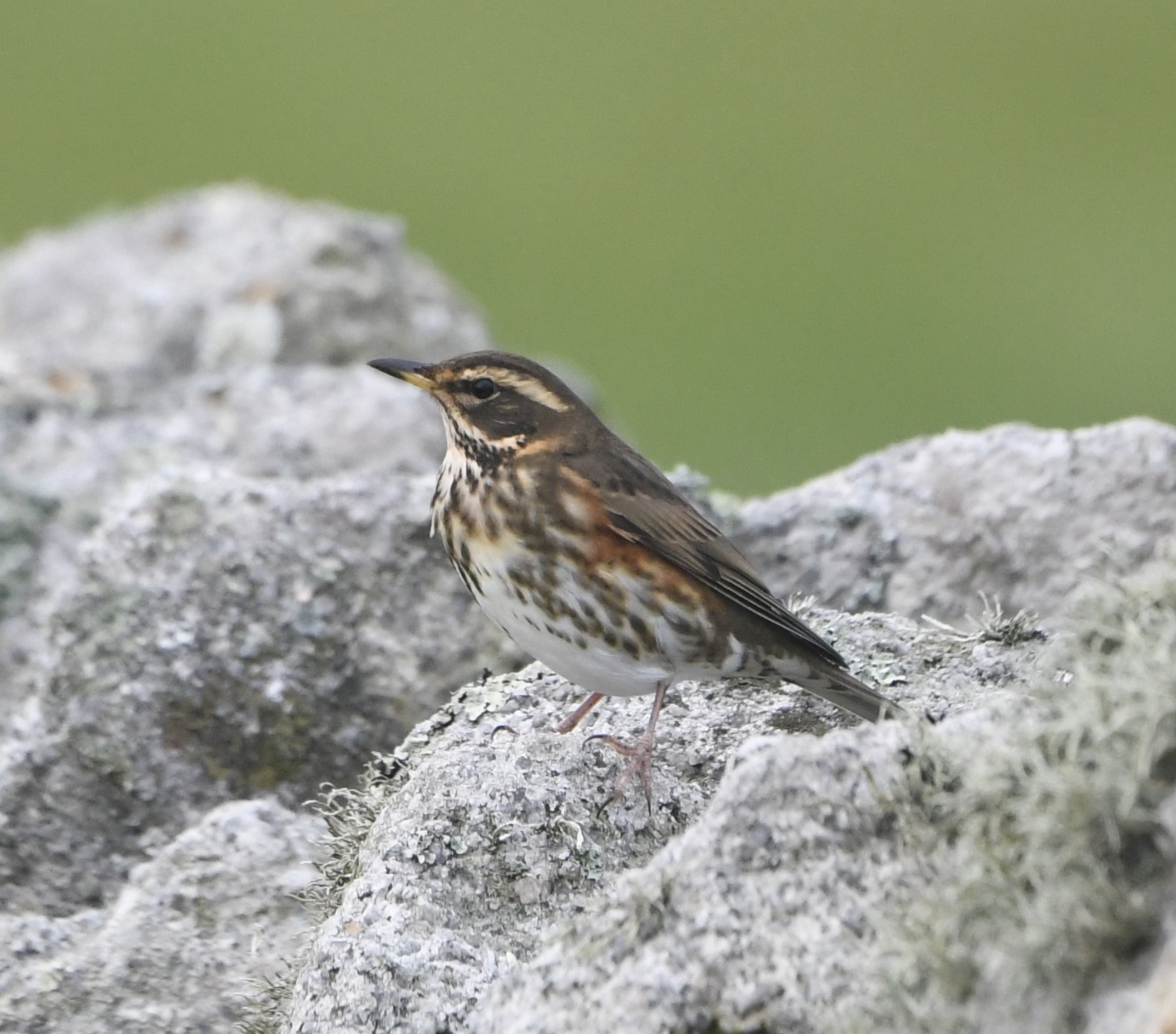
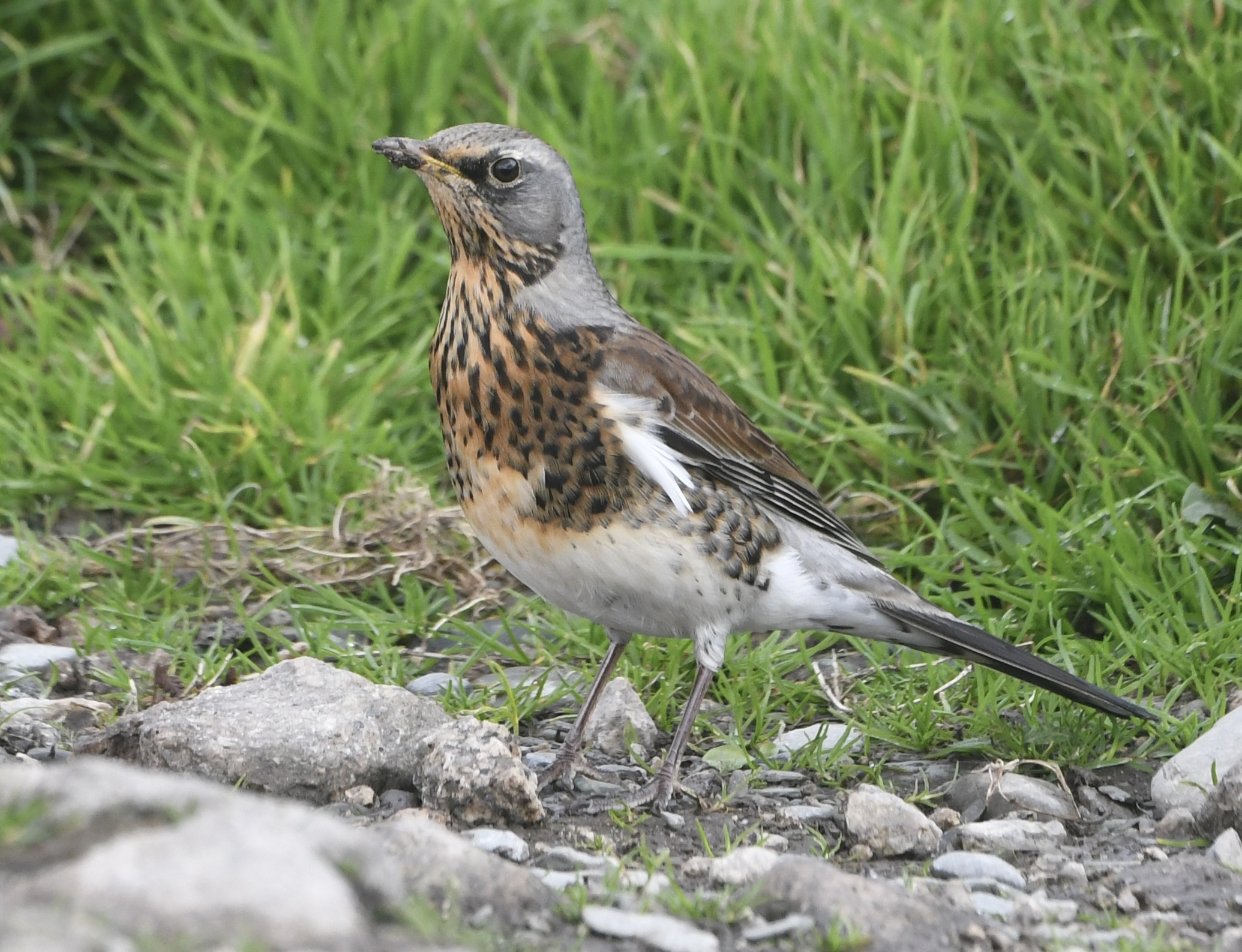
Census was tricky with the high winds and not much else was seen but it did begin to brighten up towards 9.30. Kestrel, Sparrowhawk, Redwing and a Fieldfare were spotted along the main track/village area. Other notable mentions included a possible Eastern Lesser Whitethroat in the quarry area.
The rest of the day was spend tending to some Biosecurity jobs, monthly checks of the monitoring stations and preparing new chew blocks. There's over 60 stations spread across the island, mostly in properties and around the village all with a wax chew block inside. We look for signs of Rat chew marks, the majority of the stations have signs of Pygmy shrew nibblings but they are tiny compared to a rats marks.
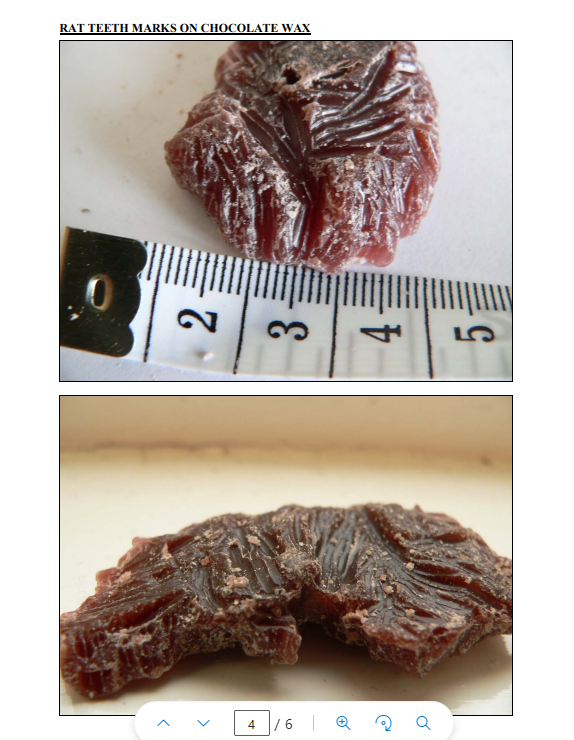
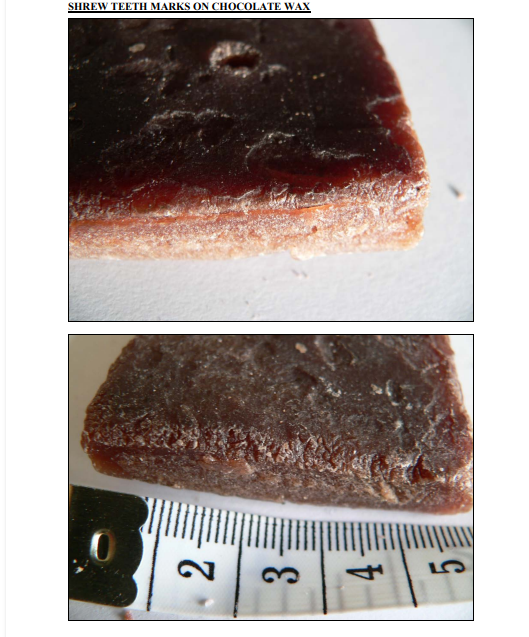
These checks are vital to ensure that Lundy remains free from invasive predators and we're grateful to all the support we receive from the RSPB Biosecurity for Life team who you can check out here - Biosecurity for LIFE - keeping the UK's seabirds safe. We'll be looking into more visible interpretation for visitors next season including some boards around the Ilfracombe/Bideford harbours and on the Oldenburg along with our new on island wildlife cameras, keep your eyes peeled for those and for any sneaky rodents!


 Lundy map - click to enlarge